
Introduction: Living in a Digital World Comes With Digital Risks
We live in a world where almost everything is connected to the internet. From smartphones, laptops, and email to online banking, shopping, healthcare systems, factories, and power plants, digital technology has become an inseparable part of daily life.
However, this convenience comes with a serious downside: cyber threats.
Cyber attacks are no longer limited to big companies or governments. Today:
- Individuals lose money through online fraud
- Businesses face data breaches and ransomware
- Hospitals, airports, and power grids are attacked
- Personal photos, passwords, and identities are stolen
This is why cyber security awareness is no longer optional. It is a basic survival skill in the digital age.
What Is Cyber Security?
Cyber security is the practice of protecting computers, networks, software, and data from unauthorized access, misuse, damage, or theft.
In simple terms:
Cyber security means keeping your digital life safe from hackers, scams, and cyber criminals.
Cyber security applies to:
- Personal devices (phones, laptops, tablets)
- Home Wi-Fi networks
- Office systems and servers
- Cloud services
- Industrial and critical infrastructure systems
Why Cyber Security Awareness Is Important

Cyber security awareness means knowing the risks and understanding safe digital behavior.
Many cyber-attacks succeed not because of advanced hacking tools, but because:
- People click on fake links
- Passwords are weak or reused
- Software updates are ignored
- Sensitive information is shared unknowingly

Fact:
Humans are often the weakest link in cyber security.
When people are aware:
- Attacks are detected early
- Damage is reduced
- Personal and business data stays safe
Common Cyber Threats Everyone Should Know
1. Phishing Attacks
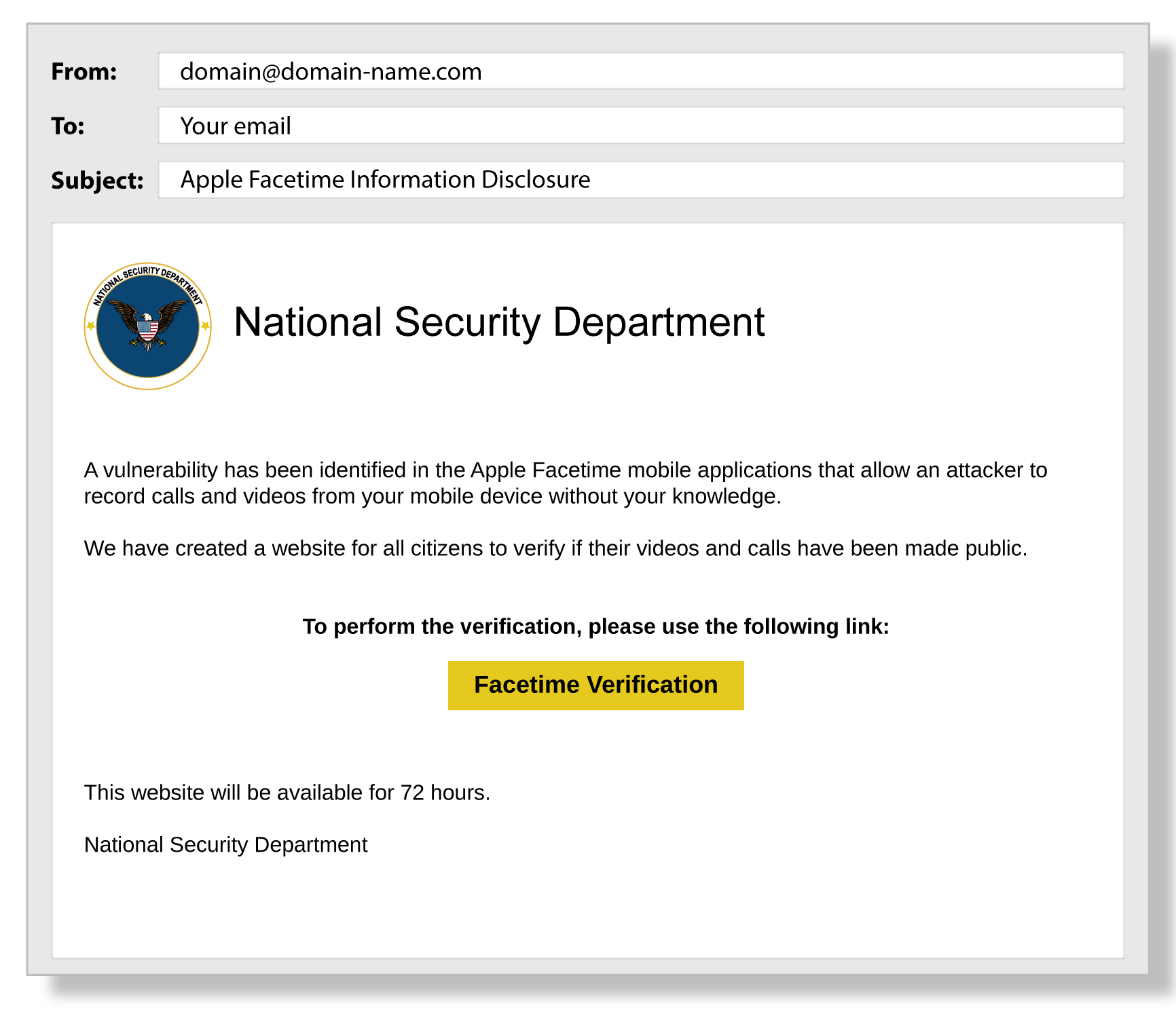
Fake emails, messages, or websites designed to trick users into revealing:
- Passwords
- Bank details
- Credit card numbers
Example:
An email pretending to be from a bank asking you to “verify your account”.
2. Malware and Ransomware

Malicious software that:
- Steals data
- Spies on users
- Locks files and demands money (ransomware)
3. Social Engineering

Attackers manipulate human emotions like:
- Fear
- Urgency
- Trust
Example:
A call claiming “your account will be blocked unless you act now”.
4. Weak Password Attacks
Using simple or reused passwords makes accounts easy to hack.
5. Public Wi-Fi Risks
Unsecured Wi-Fi networks can allow attackers to:
- Intercept data
- Steal login credentials
Cyber Security Best Practices (Simple and Practical)


1. Use Strong and Unique Passwords
- Use at least 12 characters
- Mix letters, numbers, and symbols
- Never reuse passwords
✔ Example:S@fe2026!Net#

2. Enable Two-Factor Authentication (2FA)
2FA adds an extra layer of protection by requiring:
- Password + OTP / biometric
Even if a password is stolen, attackers cannot log in easily.
3. Keep Software and Devices Updated
Updates fix:
- Security vulnerabilities
- Known bugs
Ignoring updates leaves systems exposed.
4. Think Before You Click
Before clicking links or downloading files:
- Check sender identity
- Look for spelling mistakes
- Avoid urgent or threatening messages
5. Use Antivirus and Firewall Protection
- Antivirus detects malicious files
- Firewalls block unauthorized access
6. Secure Your Home and Office Wi-Fi
- Change default router passwords
- Use WPA2/WPA3 encryption
- Disable unused services
7. Back Up Important Data
- Use cloud backups or external drives
- Follow the 3-2-1 rule:
- 3 copies
- 2 different media
- 1 offsite
Cyber Security for Organizations and Employees

Organizations face bigger risks because they handle:
- Customer data
- Financial information
- Intellectual property
Key Organizational Practices
- Regular security awareness training

- Role-based access control
- Incident response planning
- Network monitoring and logging
- Security audits and assessments
Important:
A single careless employee can cause a major data breach.
Why Cyber Security Is a Growing Need

Cyber security is becoming more critical due to:
1. Digital Transformation
Businesses are moving to:
- Cloud platforms
- Remote work
- Online services
2. Growth of IoT Devices
Smart devices like:
- Cameras
- Sensors
- Smart homes
Often lack strong security.
3. Remote Work Culture
Home networks are less secure than office networks.
4. Attacks on Critical Infrastructure

Image courtesy: Gartner.com
Cyber-attacks now target:
- Power grids
- Water systems
- Transportation
- Healthcare
The Future of Cyber Security

The future of cyber security will focus on intelligence, automation, and resilience.
1. Artificial Intelligence in Cyber Security
AI will:
- Detect threats faster
- Identify unusual behavior
- Reduce response time
2. Zero Trust Security Model
The idea is:
“Never trust, always verify”
Every user and device must be verified continuously.
3. Cloud-Native Security
Security will be built directly into cloud platforms.
4. Quantum Computing Challenges

Quantum computing may break current encryption, leading to:
- New cryptographic standards
- Post-quantum security
5. Cyber Security as a Shared Responsibility
Future cyber security will involve:
- Governments
- Businesses
- Individuals
- Global cooperation
Cyber Security Awareness for Everyday Life
Cyber security is not only for IT experts. Simple habits can prevent most attacks:
- Lock your devices
- Log out of unused sessions
- Avoid oversharing on social media
- Verify before trusting
- Stay informed about new scams
Rule to Remember:
If something feels suspicious, it probably is.
Conclusion: Cyber Security Is Everyone’s Responsibility
Cyber security is no longer just a technical topic—it is a life skill. As our dependence on digital systems grows, so does the responsibility to protect them.
Being cyber-aware means:
- Understanding risks
- Following best practices
- Staying alert
- Adapting to new threats
The future will bring smarter technology—but also smarter cyber criminals. Only awareness, education, and proactive security can keep us safe.